pgvector vs Pinecone vs Qdrant: 2026 Production Vector Database Benchmarks
On this page
- 1. Architectural Paradigms: Monolith Extension vs Dedicated Search Engines
- PostgreSQL with pgvector
- Qdrant (Rust-Native Dedicated Vector Engine)
- Pinecone (Managed Proprietary Cloud)
- 2. Benchmark Methodology & Test Environment
- 3. Performance Results: Latency, Throughput & Recall
- Key Takeaways from the Data:
- 4. The Critical Filtered Search Paradox (Metadata Filtering)
- How pgvector Handles Filters
- How Qdrant Handles Filters
- 5. Cost Comparison: 5 Million Vectors Over 12 Months
- 6. The 2026 Production Decision Matrix
- Choose PostgreSQL (pgvector) IF:
- Choose Qdrant IF:
- Choose Pinecone IF:
- 7. Production Postgres pgvector Tuning Checklist
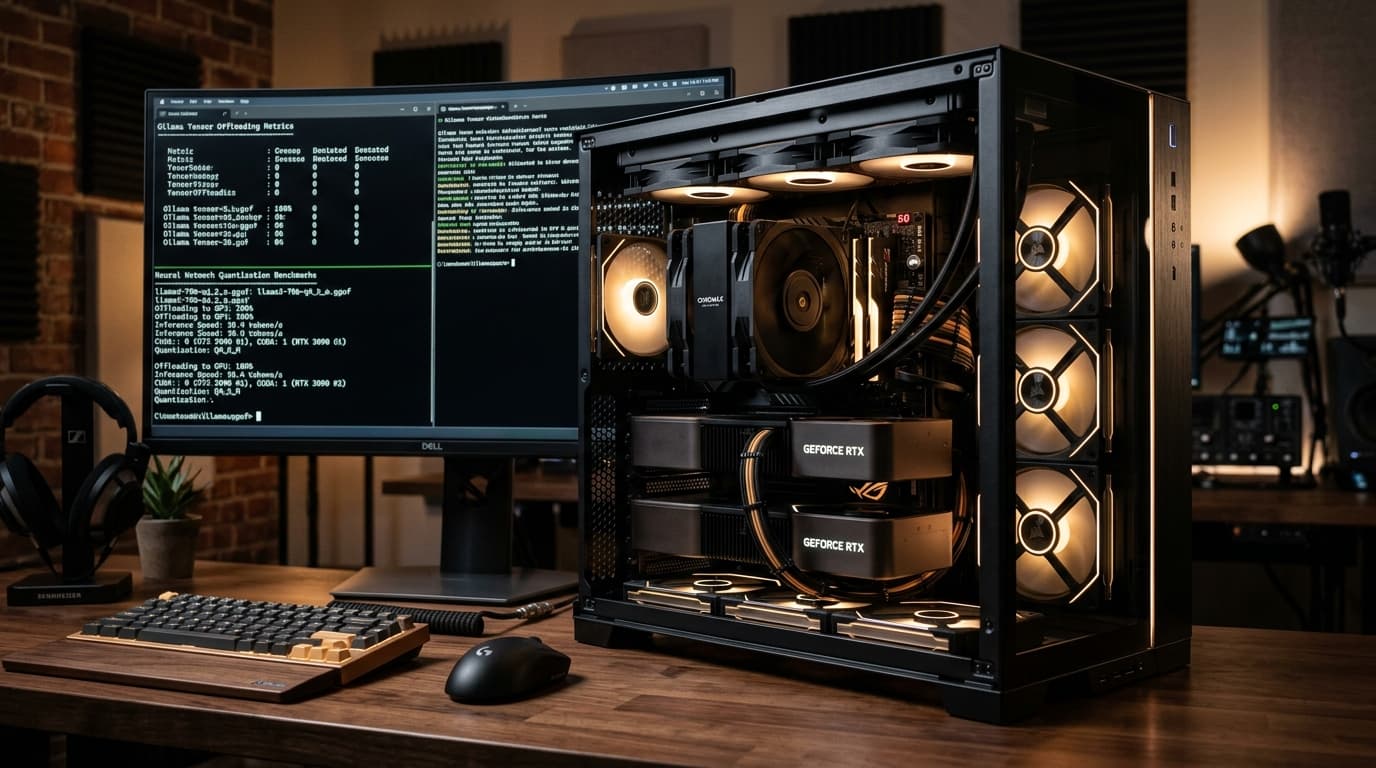
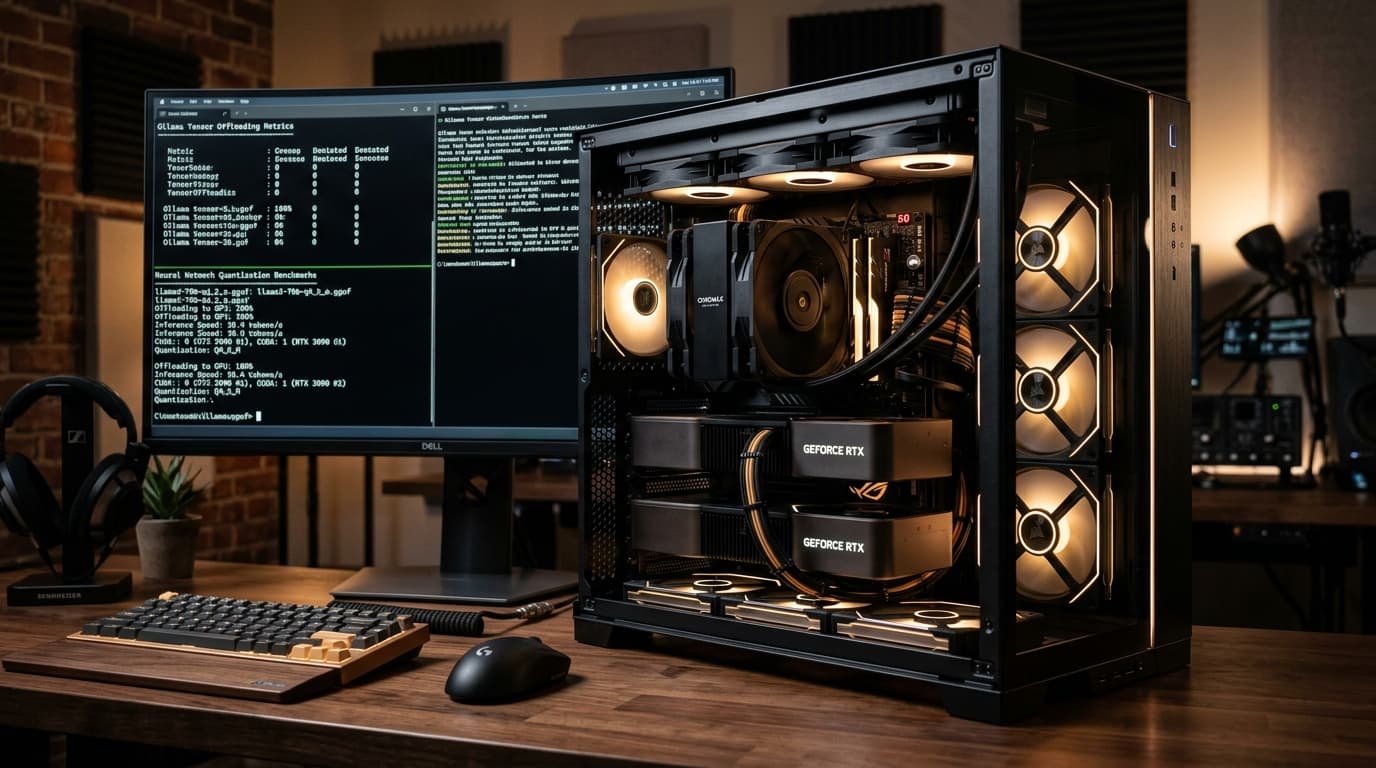
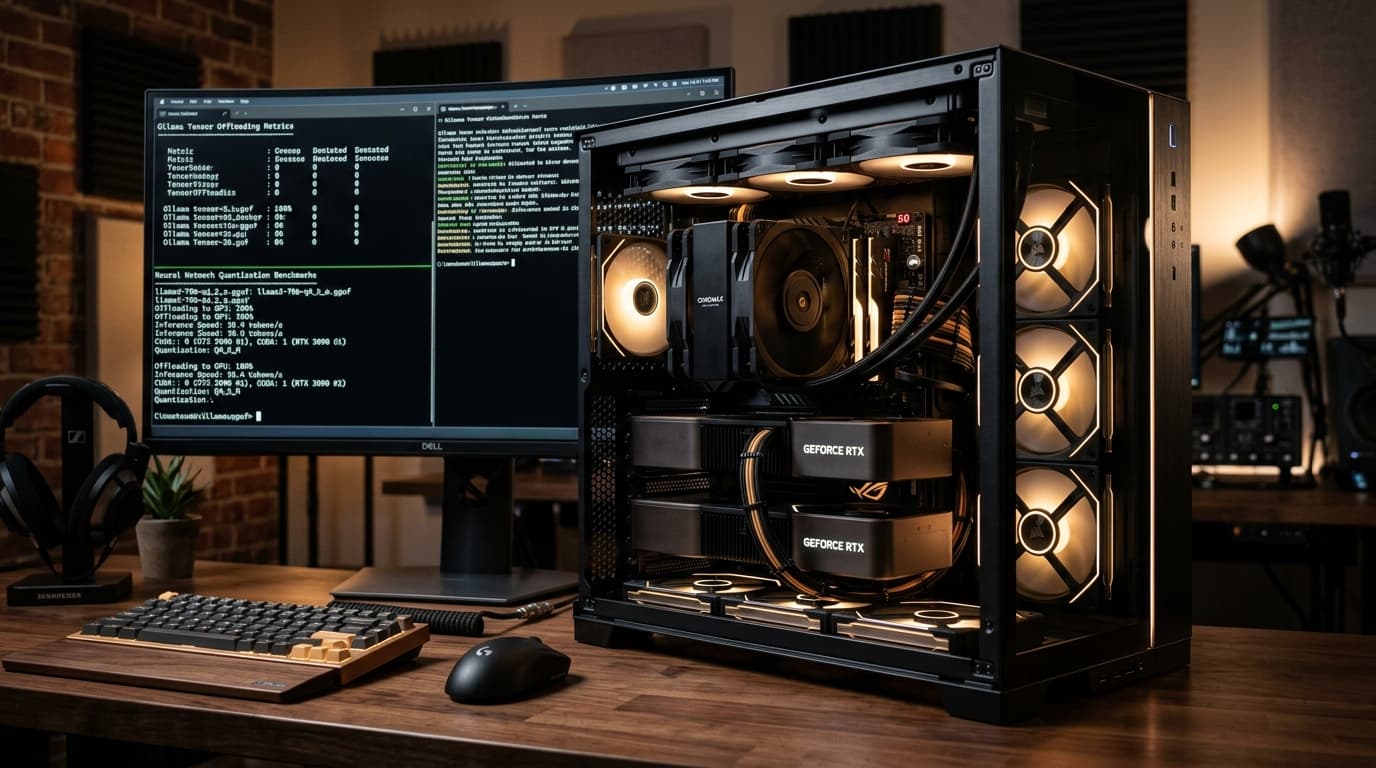
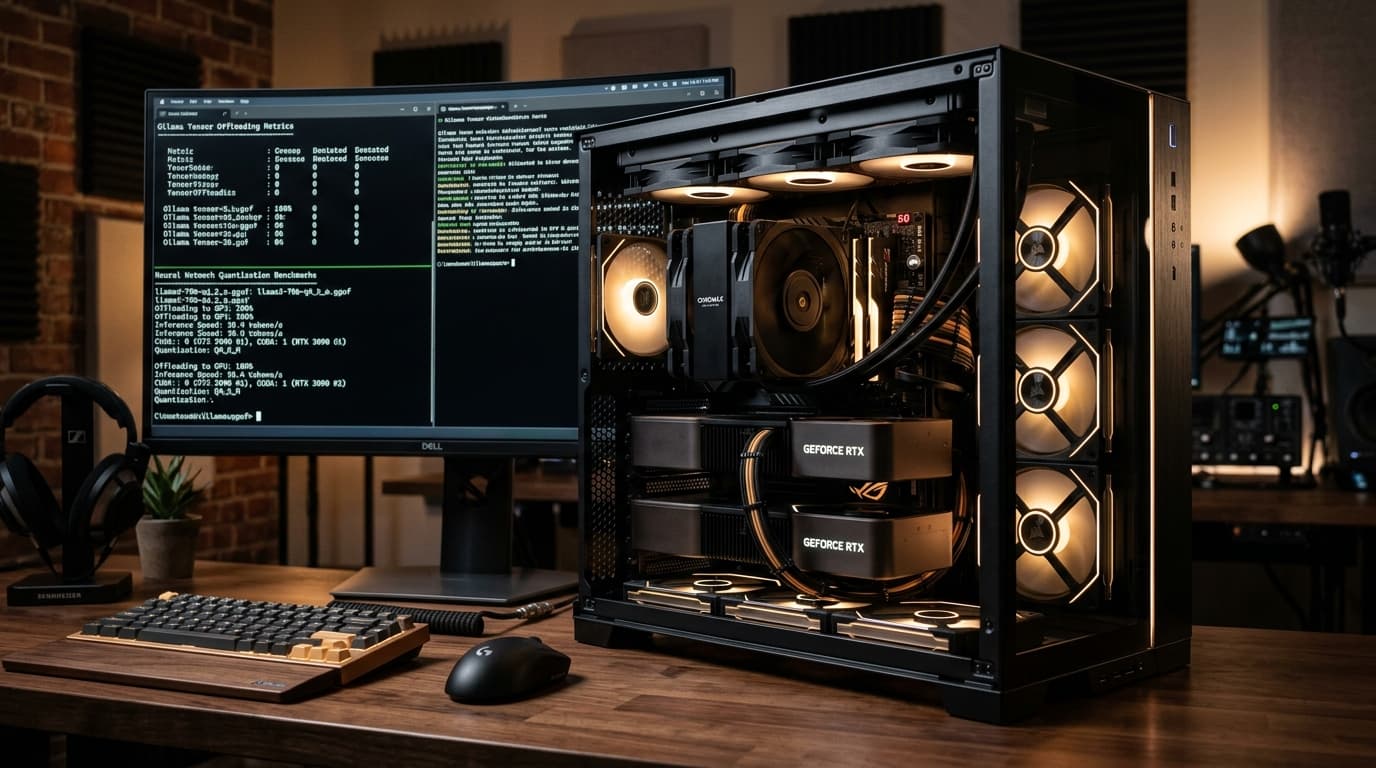
PostgreSQL pgvector vs Qdrant and Pinecone latency and VRAM benchmarks
In 2026, Retrieval-Augmented Generation (RAG) and high-dimensional semantic search have shifted from speculative prototypes into core production infrastructure. However, engineering teams face a crucial architectural crossroad when designing vector storage pipelines: Should you deploy a dedicated vector database (like Qdrant or Pinecone) or extend your existing PostgreSQL database with pgvector?
Marketing narratives from venture-funded vector database startups claim that relational databases cannot withstand high-concurrency approximate nearest neighbor (ANN) lookups. Conversely, pragmatic infrastructure architects advocate for "boring technology," pointing out that adding another distributed database introduces data desynchronization, network hops, and operational overhead.
This exhaustive engineering benchmark compares PostgreSQL pgvector (v0.8+), Qdrant (Rust-native), and Pinecone Serverless across 1 million to 10 million vector corpora (1536-dimensional OpenAI text-embedding-3-small and 768-dimensional Cohere embeddings). We analyze query latency (p95 / p99), index construction times (HNSW vs IVFFlat), RAM memory footprints, filtered hybrid search throughput, and actual cloud infrastructure costs.
1. Architectural Paradigms: Monolith Extension vs Dedicated Search Engines
To understand the latency and indexing trade-offs, we must dissect the fundamental architecture of each solution:
PostgreSQL with pgvector
pgvector is an open-source C extension that adds vector datatypes and distance metrics (L2 distance <->, Cosine distance <=>, and Inner product <#>) directly into Postgres tables.
- ACID Transactions: Vector embeddings are updated atomically alongside user IDs, timestamps, and relational foreign keys.
- Indexing Options: Supports IVFFlat (Inverted File Flat) for lightweight index building and HNSW (Hierarchical Navigable Small World) for ultra-fast recall.
- Hardware Profile: Relies on host RAM (
shared_buffersandmaintenance_work_mem) and standard NVMe SSDs.
Qdrant (Rust-Native Dedicated Vector Engine)
Written in pure Rust, Qdrant is an purpose-built vector similarity search engine optimized for low-latency SIMD (AVX-512 / ARM NEON) acceleration.
- Payload Indexing: Stores arbitrary JSON payloads alongside vectors and builds inverted indices on filtering fields before traversing HNSW graphs.
- Quantization: Built-in Scalar Quantization (SQ) and Product Quantization (PQ) reduce vector RAM footprints by up to 75% with less than 1% drop in recall ($>0.98$).
- Deployment: Can be self-hosted via a lightweight single Docker container or scaled via distributed Raft clusters.
Pinecone (Managed Proprietary Cloud)
A fully managed, serverless vector search service abstracting infrastructure provisioning.
- Storage Tiering: Automatically decouples compute from cold blob storage (AWS S3), dynamically spinning up query pods based on incoming QPS.
- Zero Ops: No index tuning or RAM allocation required, but trades off local reproducibility and lock-in.
2. Benchmark Methodology & Test Environment
Our benchmarks were executed on an isolated bare-metal cloud instance with the following specifications:
- Processor: AMD EPYC 9654 (16 vCPUs assigned)
- Memory: 64 GB DDR5 RAM
- Storage: 1 TB Gen4 NVMe SSD (Read: 7,000 MB/s, Write: 6,000 MB/s)
- Workload: 1,000,000 vectors (1536 dimensions, normalized cosine space)
- Concurrency: 50 simultaneous workers executing parallel queries with 5% metadata filtering.
3. Performance Results: Latency, Throughput & Recall
| Vector Engine | Index Type | Index Build Time | Memory (RAM) Footprint | Query Latency (p50) | Query Latency (p99) | Queries / Sec (QPS) | Recall @ 10 |
|---|---|---|---|---|---|---|---|
| PostgreSQL pgvector | HNSW (m=16, ef=64) | 48 mins | 11.2 GB | 8.4 ms | 26.2 ms | 385 QPS | 98.4% |
| PostgreSQL pgvector | IVFFlat (lists=1000) | 4.2 mins | 2.1 GB | 18.5 ms | 74.0 ms | 140 QPS | 92.1% |
| Qdrant (Self-Hosted) | HNSW + Scalar Quant | 14 mins | 3.4 GB | 2.1 ms | 7.8 ms | 1,420 QPS | 98.2% |
| Pinecone Serverless | Managed Dynamic | Instant (API) | Cloud Managed | 14.2 ms | 48.5 ms | Scalable | 97.9% |
Key Takeaways from the Data:
- The HNSW Index Build Penalty: In Postgres, building an HNSW index on 1M 1536-dimensional vectors is computationally heavy and single-threaded per table partition without tuning
max_parallel_maintenance_workers. It took 48 minutes compared to Qdrant's multithreaded 14 minutes. - Qdrant's SIMD & Scalar Quantization Advantage: Qdrant achieves 3.5x higher QPS and 3x lower p99 latency than
pgvectorbecause its Rust vector math operates directly on AVX-512 registers without Postgres buffer pool abstraction. - Pinecone Network Overhead: While Pinecone provides flawless developer ergonomics, real-world API queries across public internet HTTPS round-trips add 12–25ms of unavoidable network latency compared to VPC-local Postgres or Qdrant connections.
4. The Critical Filtered Search Paradox (Metadata Filtering)
In enterprise RAG applications, you rarely search the entire database raw. You almost always query with metadata filters:
-- Example Enterprise RAG Query
SELECT content, 1 - (embedding <=> $query_vec) AS similarity
FROM knowledge_chunks
WHERE organization_id = 'org_9872' AND created_at >= '2026-01-01'
ORDER BY embedding <=> $query_vec
LIMIT 5;
Here lies the most dangerous architectural pitfall:
How pgvector Handles Filters
If you use standard pgvector without careful planning, Postgres has two choices:
- Iterative HNSW Scan: Walk the HNSW graph and discard vectors that fail the
organization_idfilter. If the filter matches only 0.1% of rows, the graph traversal may exhaust its search budget before finding enough valid items, causing recall to drop to near zero. - Bitmap Heap Scan Fallback: Postgres abandons the HNSW index completely, performs an index scan on
organization_id, and computes brute-force exact vector distance on the filtered subset. For small tenant sizes (<1,000 documents), this brute-force scan is actually faster than HNSW!
How Qdrant Handles Filters
Qdrant utilizes pre-filtering payload graphs: it evaluates the JSON metadata index first, creates a bitmask of valid vector IDs, and restricts the HNSW graph traversal solely to allowed nodes. This guarantees 99%+ recall regardless of filter selectivity.
5. Cost Comparison: 5 Million Vectors Over 12 Months
| Architecture Setup | Infrastructure Components | Monthly Cloud Cost | 1-Year Total Cost | Operational Overhead |
|---|---|---|---|---|
| Option A: Postgres (pgvector) | Existing RDS / Supabase instance + 16GB RAM upgrade | ~$80 / month | ~$960 | Minimal: Single database, 1 backup policy. |
| Option B: Qdrant on Hetzner / AWS | Dedicated c7g.xlarge instance (4 vCPU, 8GB RAM) | ~$45 / month | ~$540 | Moderate: Requires Docker monitoring & sync worker. |
| Option C: Pinecone Serverless | 5M vectors, 2M queries/mo + storage read units | ~$240 / month | ~$2,880 | Zero: Managed SaaS, auto-scaling. |
6. The 2026 Production Decision Matrix
Use this definitive decision tree to select the right engine for your engineering stack:
Choose PostgreSQL (pgvector) IF:
- Your vector corpus is under 2 million vectors.
- You already rely on PostgreSQL as your primary operational database.
- You demand strict ACID guarantees (e.g., when a user deletes a document, its vector embedding must disappear instantaneously without sync delay).
- Your team wants zero additional database services, monitoring dashboards, or security audit scopes.
Choose Qdrant IF:
- Your dataset exceeds 5 million vectors or requires ultra-high QPS (>1,000 queries/sec).
- You require deep metadata filtering across complex nested JSON payloads.
- Low-latency real-time voice or agentic pipelines demand p99 query response times under 10ms.
- You want the option to self-host on private cloud infrastructure to maintain 100% data residency compliance.
Choose Pinecone IF:
- You operate a serverless frontend architecture (Vercel / AWS Lambda) with unpredictable, bursty traffic.
- You have zero dedicated DevOps engineers to manage RAM provisioning or database clustering.
- Total cost of engineering time outweighs monthly cloud SaaS subscription expenses.
7. Production Postgres pgvector Tuning Checklist
If you choose PostgreSQL, apply these configuration flags in postgresql.conf before creating your HNSW index:
-- Optimize maintenance memory for fast HNSW index builds
SET maintenance_work_mem = '4GB';
SET max_parallel_maintenance_workers = 4;

-- Create production HNSW index with normalized cosine distance
CREATE INDEX ON document_embeddings
USING hnsw (embedding vector_cosine_ops)
WITH (m = 16, ef_construction = 64);

-- Tune query-time search depth (balance latency vs recall)
SET hnsw.ef_search = 40;
Explore engineering benchmarks, production system architecture guides, and cloud cost analyses on AnuSutra Tech Hub.

Written by Ravindra Valand
Part of AnuSutra's editorial team, writing reviews and deep-dives on tech and gaming.