Right to Repair for Cars: The Massachusetts Data Access Law and What Followed
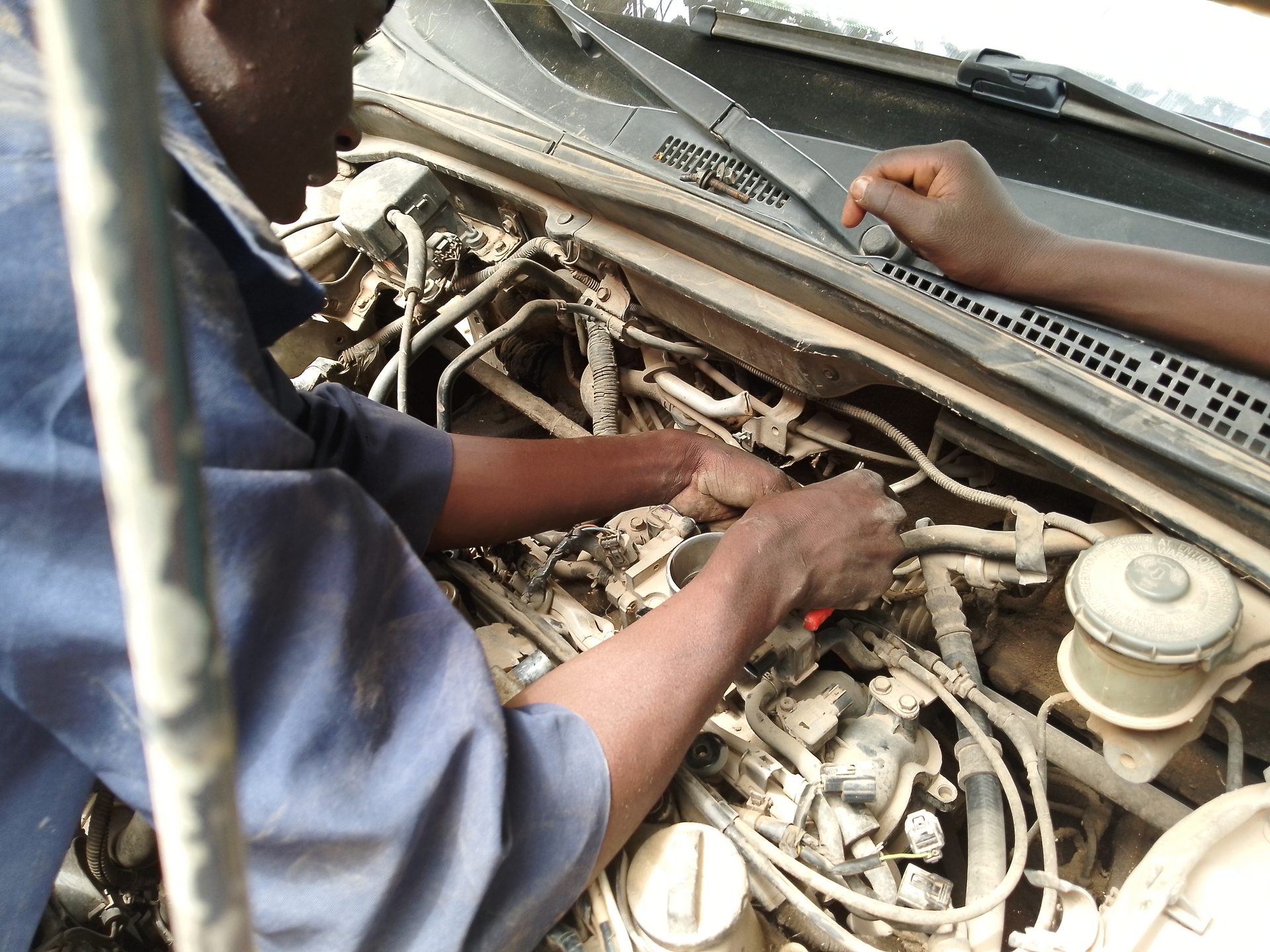
Modern cars generate an enormous stream of diagnostic and performance data through onboard telematics systems, and where that data is allowed to flow — exclusively to the manufacturer and its authorized dealer network, or also to the independent repair shop a customer might actually prefer to use — has been the subject of one of the longest-running right-to-repair legal fights in the United States, centered specifically on Massachusetts.
What Massachusetts Voters Actually Approved
On November 3, 2020, Massachusetts voters passed a ballot initiative, by an overwhelming margin, expanding the state's existing right-to-repair framework to specifically cover vehicle telematics data — the wireless diagnostic and performance data modern vehicles transmit, as opposed to the wired, direct-connection diagnostic data covered under the state's earlier 2012 right-to-repair law. The measure required that vehicle owners receive clear notice explaining what telematics data their car generates, their right to access that data, and their right to authorize an independent repair shop — not just a manufacturer-affiliated dealer — to access and use it for diagnostics, maintenance, and repair.
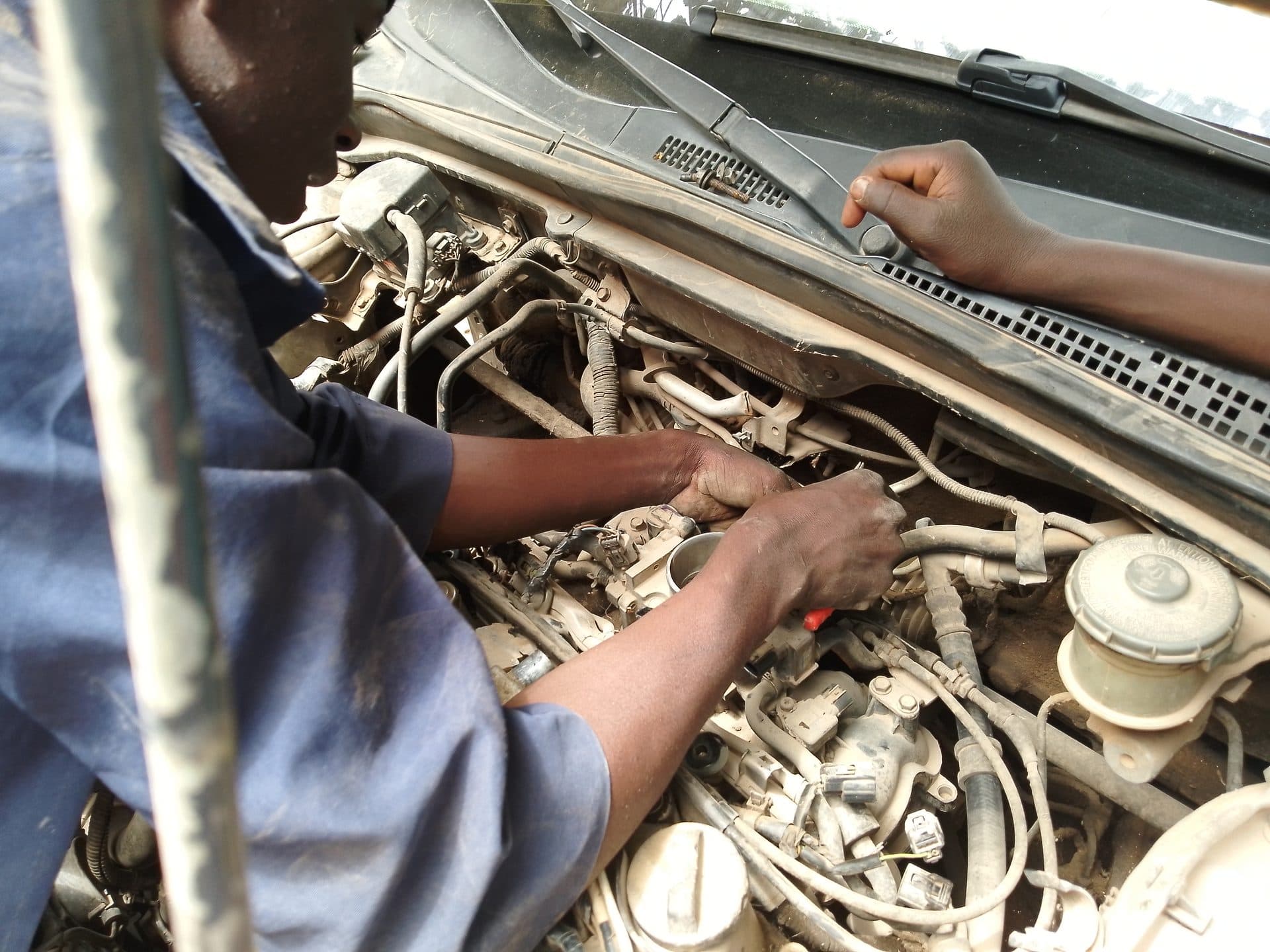
The underlying concern driving the measure was straightforward: as more vehicle diagnostic and repair-relevant data moved from a physical, wired connection (which independent shops could access with standard equipment) to a wireless telematics system controlled by the manufacturer, independent repair shops risked being locked out of the data they needed to competently service increasingly complex, increasingly connected vehicles — pushing consumers toward manufacturer-authorized dealers by default, regardless of price or convenience.
The Automaker Lawsuit That Followed
The Alliance for Automotive Innovation, a trade association representing major automakers including General Motors, Volkswagen, and Stellantis, sued to block the law from taking effect, arguing it conflicted with federal law and raised legitimate cybersecurity concerns about opening vehicle telematics access to third parties beyond the manufacturer's own controlled network. This wasn't a fast fight: the case went to trial in 2021, and — in an unusually long gap between trial and decision — the presiding judge did not issue a ruling for roughly four years, an extended delay that left the law in a kind of prolonged limbo, technically passed but tied up in ongoing litigation the entire time.
The case was eventually reassigned to a different judge, Denise Casper, who moved to resolve the lingering matter more quickly once it landed on her docket. On February 11, 2025, Judge Casper dismissed the remaining two counts in the automakers' lawsuit, rejecting the argument that the state law was preempted by conflicting federal law — the final component of the multi-year legal challenge, following the earlier dismissal of the suit's other claims.
Why This Ruling Counts as a Final Resolution
The February 2025 dismissal is meaningful specifically because it closed out the last remaining legal theory the automaker coalition had been pursuing against the law — not merely one round of a case still likely headed for further appeal. Massachusetts Attorney General Andrea Campbell's office, which had defended the law throughout the litigation, characterized the ruling as a clear victory securing the law's enforceability, and supporters of the measure treated the dismissal as effectively closing out a challenge that had, by that point, run for more than four years since the original 2020 vote.
Why This Case Became the National Bellwether
Massachusetts wasn't regulating in a vacuum — the outcome of this specific fight carried weight well beyond the state's own borders, because several other states have watched this litigation closely while considering or drafting their own vehicle telematics right-to-repair proposals, treating Massachusetts's experience as a preview of what legal challenges a similar law elsewhere would likely face and how those challenges would likely be resolved. A win for automakers in Massachusetts would have functioned as a strong deterrent signal to other states considering similar legislation; a win for the law's supporters, which is what ultimately happened, removes a significant legal obstacle other states can point to when defending comparable measures of their own.
What Vehicle Owners Actually Get From This
For a Massachusetts vehicle owner today, the practical effect of the law surviving this challenge is straightforward: manufacturers operating in the state cannot lawfully withhold telematics-based diagnostic and repair data from an independent shop the owner has chosen to authorize, closing off what would otherwise have been an increasingly significant channel for steering repair business exclusively toward manufacturer-authorized dealers as vehicles become more reliant on wireless, telematics-based diagnostics rather than the older wired connections independent shops have always had standard access to.

Written by Ravindra Valand
Part of AnuSutra's editorial team, writing reviews and deep-dives on tech and gaming.