AnuSutra LogoAnuSutra Tech + Gaming
BlogVRAM CalculatorAlternativesAboutAnuSutra
AnuSutra LogoAnuSutra Tech + Gaming

Technology and gaming, explored with curiosity — reviews, deep-dives, and practical guides.

Explore

  • Blog
  • VRAM Calculator
  • About
  • AnuSutra Hub ↗

Software & Resources

  • Software Alternatives ↗
  • Privacy Policy
  • Terms of Service

© 2026 AnuSutra. All rights reserved.

TermsPrivacy
AnuSutra LogoAnuSutra Tech + Gaming
BlogVRAM CalculatorAlternativesAboutAnuSutra
  1. Blog
  2. Tech Explainers
  3. Video Game Preservation and the Law: DMCA Exemptions Explained
Video Game Preservation and the Law: DMCA Exemptions Explained
Tech Explainers

Video Game Preservation and the Law: DMCA Exemptions Explained
Ravindra ValandRavindra Valand
August 1, 2026
5 min read
1420 views

On this page

  • What the Existing Exemption Already Allows
  • What Preservation Advocates Actually Asked For, and Didn't Get
  • Why the Copyright Office Keeps Declining This Specific Request
  • What This Means Practically Until the Next Review
  • The Practical Reality for Someone Trying to Play an Old Game Today
On this page
  • What the Existing Exemption Already Allows
  • What Preservation Advocates Actually Asked For, and Didn't Get
  • Why the Copyright Office Keeps Declining This Specific Request
  • What This Means Practically Until the Next Review
  • The Practical Reality for Someone Trying to Play an Old Game Today
Share:

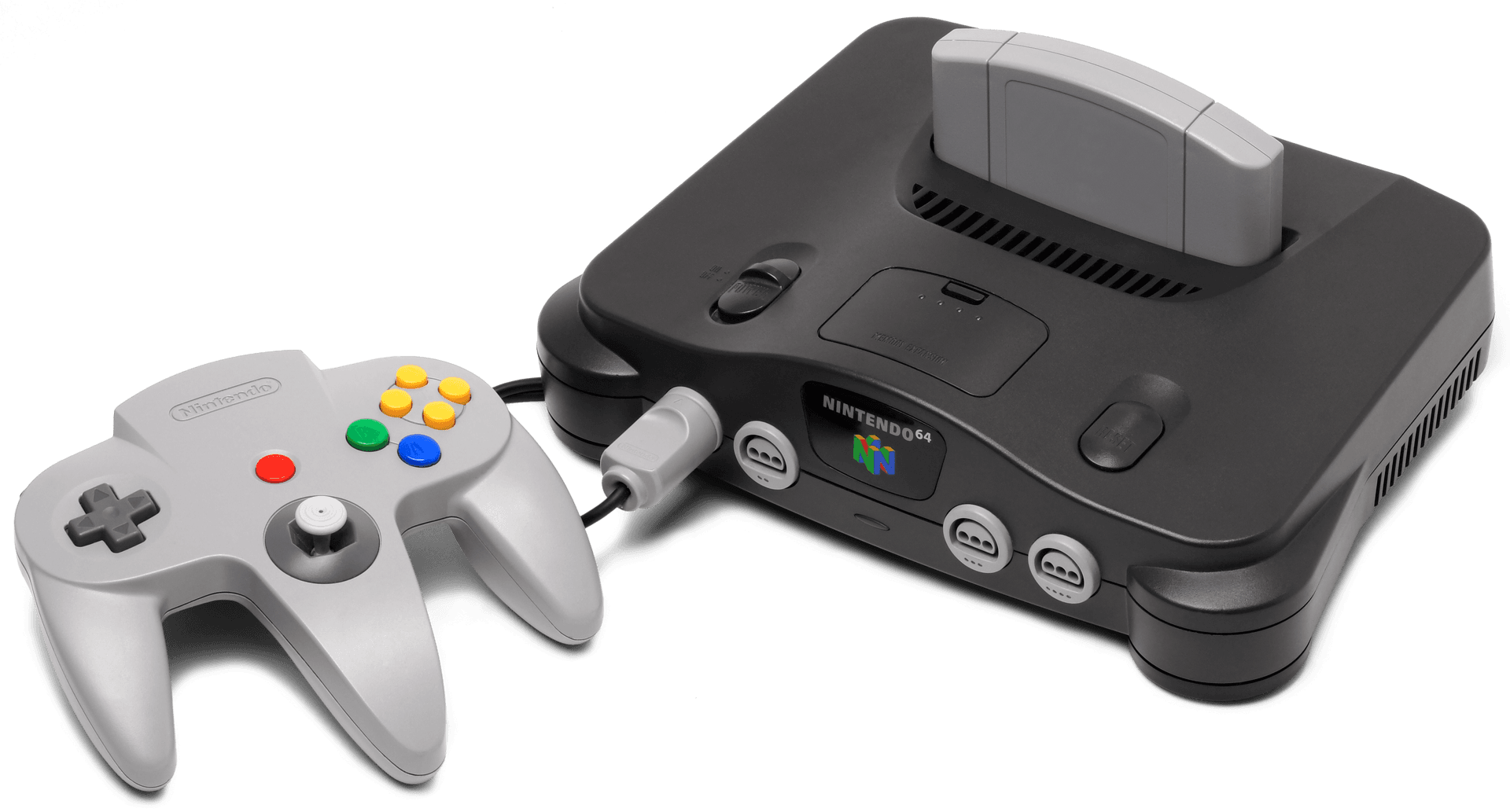
A retro game console and controller

Digital Millennium Copyright Act Section 1201 makes it illegal to circumvent copy-protection technology on copyrighted works, even for otherwise legal purposes — a broad default rule that would make basic video game preservation work, like copying an old, out-of-print game past its original copy protection to keep it playable, technically illegal without a specific carved-out exemption. The US Copyright Office reviews and updates the list of these exemptions every three years, in what's formally called the Section 1201 triennial rulemaking, and the most recent 2024 cycle produced a result preservation advocates had been specifically hoping to avoid.

What the Existing Exemption Already Allows

Libraries, archives, and museums already have a standing exemption permitting them to circumvent copy protection specifically to preserve video games that are no longer commercially available — making a legal, non-infringing copy for archival purposes rather than for distribution or ordinary use. The 2024 rulemaking cycle did make one genuine, if narrow, clarification to this existing exemption: it confirmed explicitly that a preservation institution can allow a circumvented copy to be accessed by as many individual users as there are legally-owned physical copies the institution actually holds — meaning if a library owns three physical copies of an out-of-print game, it can let three people access a preserved digital copy simultaneously, matching the "owned copies" logic that governs how libraries have traditionally lent out physical media.

What Preservation Advocates Actually Asked For, and Didn't Get

The considerably more consequential request in the 2024 cycle came from the Video Game History Foundation, working alongside the Software Preservation Network, asking the Copyright Office to expand the existing exemption to allow remote access — letting a researcher access a preserved, out-of-print game over the internet from outside the physical library or archive, rather than requiring them to be physically present at the institution's location to use it. This is a meaningful, practical distinction: under the current exemption as it stands, a researcher who wants to study an out-of-print game preserved at a specific university archive generally needs to travel to that specific physical location to do so, since remote access to the circumvented copy isn't covered.

The Copyright Office's final rule, effective October 28, 2024, declined to expand the exemption to include this remote-access provision. The Video Game History Foundation's public statement following the decision characterized the outcome as a real setback for game preservation and access specifically, given how much of the requested expansion centered on exactly the remote-access capability that was denied.

Why the Copyright Office Keeps Declining This Specific Request

The recurring objection from rights holders opposing broader remote-access exemptions in these proceedings generally centers on a specific fear: that permitting even non-commercial, research-oriented remote access to preserved copies would functionally undermine the market for re-releases, remasters, and legacy re-licensing deals — a genuinely significant and growing part of the modern games industry's revenue, given how often older titles get repackaged and resold rather than left permanently out of print. The Copyright Office's rulemaking process weighs this kind of potential market harm against the preservation and research interest the exemption request is built around, and in the 2024 cycle specifically, that balancing came out against expanding remote access, much as it had in prior triennial cycles when similar requests were made.

What This Means Practically Until the Next Review

The exemptions adopted in the 2024 rulemaking remain in effect for the standard three-year cycle, through October 28, 2027, meaning the current, narrower scope — on-site access at the preserving institution, scaled to the number of legally owned copies, with no remote-access allowance — is the operative legal framework until the next triennial review has a chance to revisit the question. Advocacy groups like the Video Game History Foundation have indicated they intend to continue pressing for the remote-access expansion in future cycles, meaning this specific fight is very likely to resurface again in the 2027 rulemaking rather than being considered settled.

The Practical Reality for Someone Trying to Play an Old Game Today

None of this changes the legal status of ordinary emulation for personal use of games you already legally own, which exists in its own separate, longstanding legal gray area distinct from the institutional preservation exemptions discussed here — this rulemaking cycle is specifically about what libraries, archives, and museums are permitted to do with their own preserved collections, not about an individual's personal use of software they already possess. For anyone relying specifically on institutional archives to access an out-of-print game for research, though, the practical reality after the 2024 cycle remains largely unchanged from before it: you can generally access it if you can get to where it's physically preserved, and current law still doesn't require that access be made available to you remotely.

#Video Game Preservation#DMCA#Copyright Law#Digital Archives
Ravindra Valand

Written by Ravindra Valand

Part of AnuSutra's editorial team, writing reviews and deep-dives on tech and gaming.

AnuSutra Alternatives Directory

Compare Indian & Open-Source Software

Looking for cost-effective, GST-ready, and UPI-native software solutions for your engineering or business stack? Explore side-by-side pricing in ₹, India-fit indicators, and verified switch reasons.

INR Transparent PricingGST & UPI Verified
Explore DirectorySample Comparison
Previous

What "Your Data Is Being Sold" Actually Means, and How to Actually Check

Next

Unreal Engine 5 Shader Stutter: Why Modern PC Games Keep Stuttering and How Developers Are Fixing It

More From AnuSutra

Age Verification Laws for the Internet: The UK Online Safety Act and US State Laws Explained
Tech Explainers

Age Verification Laws for the Internet: The UK Online Safety Act and US State Laws Explained

Ofcom has fined six companies, opened investigations into more than 90 online services, and started looking at AI chatbots — not just adult-content sites. Here's what 'highly effective' age assurance actually requires now.

Ravindra Valand
August 1, 2026
5 min read
#Age Verification#Online Safety Act
Read more: Age Verification Laws for the Internet: The UK Online Safety Act and US State Laws Explained
AI Companion Apps and Mental Health: What the Actual Research Shows
Tech Explainers

AI Companion Apps and Mental Health: What the Actual Research Shows

A Harvard study found talking to an AI companion relieves loneliness about as well as talking to a real person. A separate two-year study of nearly 2,000 users found heavy long-term use correlated with rising depression and suicidal ideation. Both findings are real, and they're not actually contradicting each other.

Ravindra Valand
August 1, 2026
7 min read
#AI Companions#Mental Health
Read more: AI Companion Apps and Mental Health: What the Actual Research Shows
AI-Generated Game Assets: What Steam's Disclosure Rules Actually Require
Tech Explainers

AI-Generated Game Assets: What Steam's Disclosure Rules Actually Require

Nearly a third of new Steam releases now disclose AI content, up from about 7% when the rule launched in 2024. Here's what Valve's disclosure policy actually requires, how it's changed twice already, and what the data says about how those games actually perform.

Ravindra Valand
August 1, 2026
28 min read
#AI#Gaming
Read more: AI-Generated Game Assets: What Steam's Disclosure Rules Actually Require
Apple v. Epic, Fully Resolved: What the Antitrust Rulings Actually Changed
Tech Explainers

Apple v. Epic, Fully Resolved: What the Antitrust Rulings Actually Changed

A 2021 ruling mostly favored Apple, with one narrow exception. That exception became the whole fight: in 2025, a federal appeals court found Apple in contempt for trying to route around it, and the case is now sitting in front of the Supreme Court.

Ravindra Valand
August 1, 2026
4 min read
#Apple v Epic#App Store
Read more: Apple v. Epic, Fully Resolved: What the Antitrust Rulings Actually Changed
Read More ArticlesExplore Vedic Wisdom & Philosophy

The Mindful Hacker

Weekly curated analysis on Indian developer ecosystems, open-source architecture, digital privacy, and sustainable computing.

Zero marketing fluff. High-signal engineering only. Unsubscribe at any time.

On this page

  • What the Existing Exemption Already Allows
  • What Preservation Advocates Actually Asked For, and Didn't Get
  • Why the Copyright Office Keeps Declining This Specific Request
  • What This Means Practically Until the Next Review
  • The Practical Reality for Someone Trying to Play an Old Game Today
On this page
  • What the Existing Exemption Already Allows
  • What Preservation Advocates Actually Asked For, and Didn't Get
  • Why the Copyright Office Keeps Declining This Specific Request
  • What This Means Practically Until the Next Review
  • The Practical Reality for Someone Trying to Play an Old Game Today
AnuSutra LogoAnuSutra Tech + Gaming

Technology and gaming, explored with curiosity — reviews, deep-dives, and practical guides.

Explore

  • Blog
  • VRAM Calculator
  • About
  • AnuSutra Hub ↗

Software & Resources

  • Software Alternatives ↗
  • Privacy Policy
  • Terms of Service

© 2026 AnuSutra. All rights reserved.

TermsPrivacy